


Why
Choose PreCast?PreCast?
Traditional Construction materials are quite difficult to store in large amout for a long period of time. Mixing the cement and preparing concrete is time consuming and labour intense.
Precast concrete are faster, safer, more affordable, efficient & economical. They strengthen with age, where other materials would degrade, and it is highly resistant to many elements and potential environmental dangers. Moreover, concrete slabs are not labor dense projects, which can save the builder extra labor costs from the start of the project.
-
where are they used?
The combination of precast and other materials like in-situ concrete and steel in hybrid concrete construction can yield cost and programme benefits. Precast concrete brings accuracy, high quality finishes and speed of erection to any hybrid concrete construction
-
-
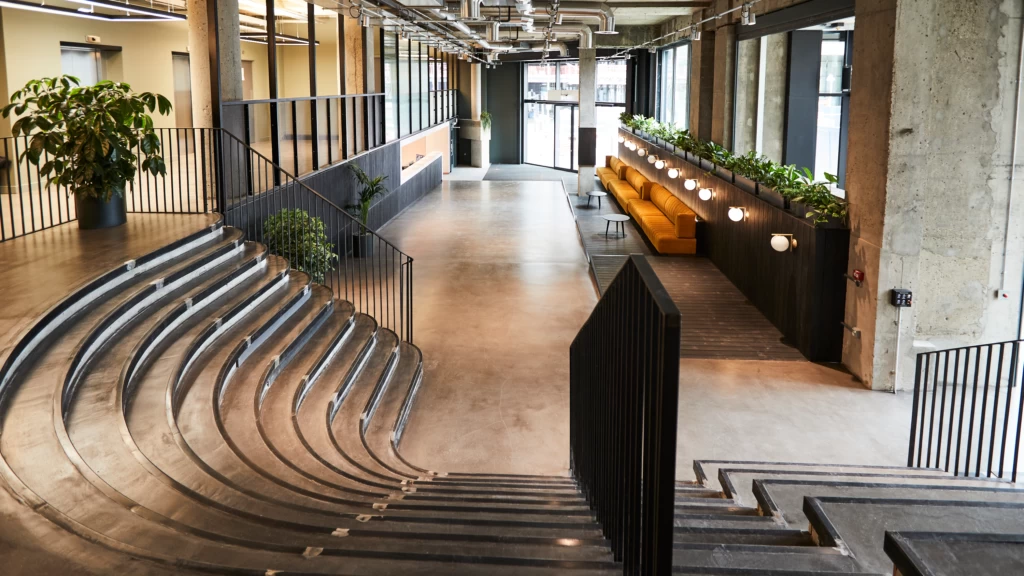
Commercial Complex
-
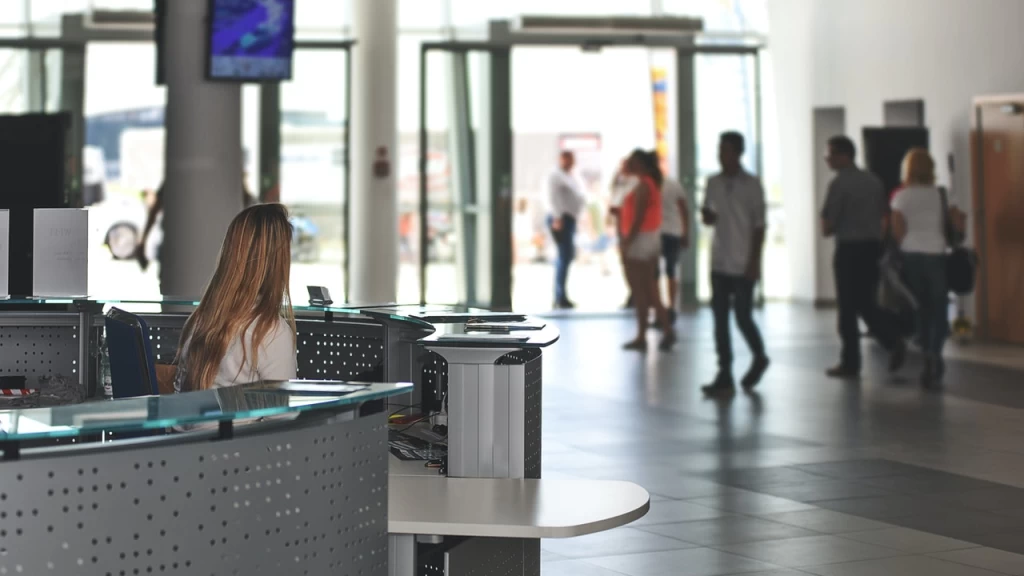
Residential Buildings
Our ProductsProducts
Innovations to make the use of precast concrete even safer include air-inflated crash bags, nets and mats. These are used in an area under construction until the precast units are securely installed. In the event of an accident, these break the fall of a worker or even a whole precast unit.
Learn More

Advantages

-
Quality Assurance
The key factors which regulate the quality of construction such as curing, temperature, mix design, formwork, etc. can be monitored for Precast Concrete. So, improved quality construction can be performed.
-
Saves Construction Time
Precast Concrete construction saves time, the risk of project delay is also less. The precast concrete casting can be carried on simultaneously with other works on site such as earthwork, survey, etc. and thus saves time.
Shaping the Future of Sustainable Building
Nepal Precast Concrete
No vibration, no sawing, and no other noise-generating processes need to be used to install a precast concrete structure. This results in substantially quieter construction sites, which is a genuine benefit to local residents and workers alike. Precast concrete is also significantly less vulnerable to disruption caused by hot, cold or wet weather as production takes place within a factory.